
Brazil–Argentina Mission brings bioinput innovation ecosystems closer together
The Brazil–Argentina Mission on Bioinputs brought together this week, in Buenos Aires and La Plata, representatives of the Brazilian and Argentine governments, companies, research institutions, academia, and organizations connected to the sector to discuss paths for cooperation in bioinputs, innovation, and market development. One of the main highlights of the program was the seminar “Brazil–Argentina […]

The Brazil–Argentina Mission on Bioinputs brought together this week, in Buenos Aires and La Plata, representatives of the Brazilian and Argentine governments, companies, research institutions, academia, and organizations connected to the sector to discuss paths for cooperation in bioinputs, innovation, and market development.
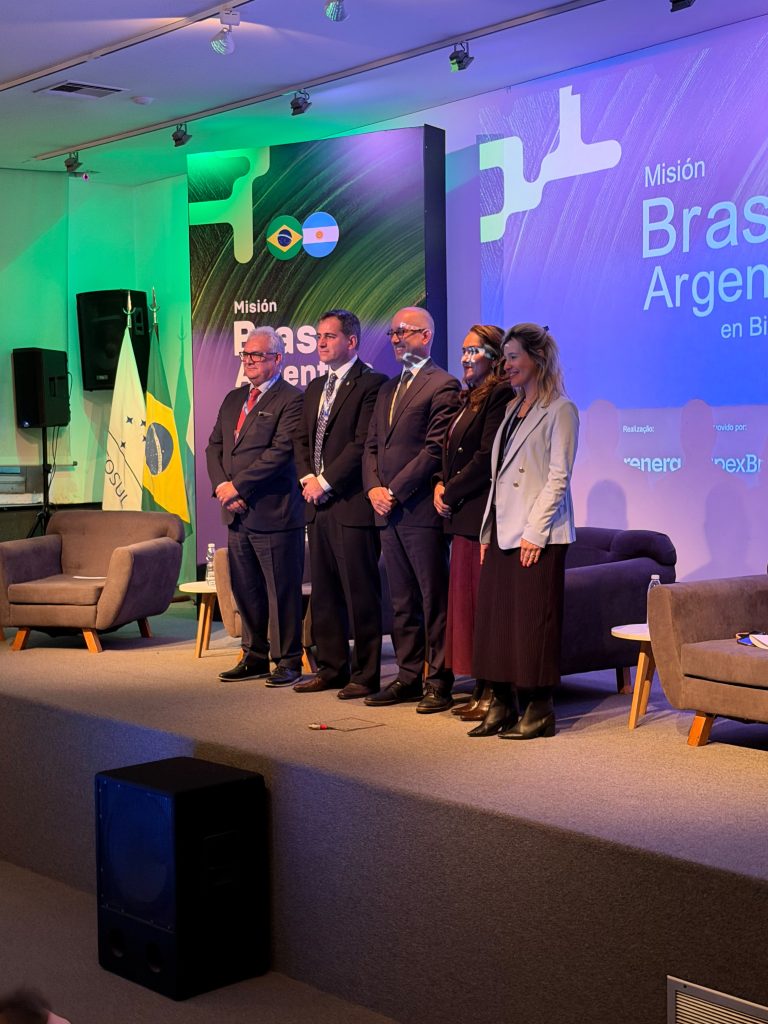
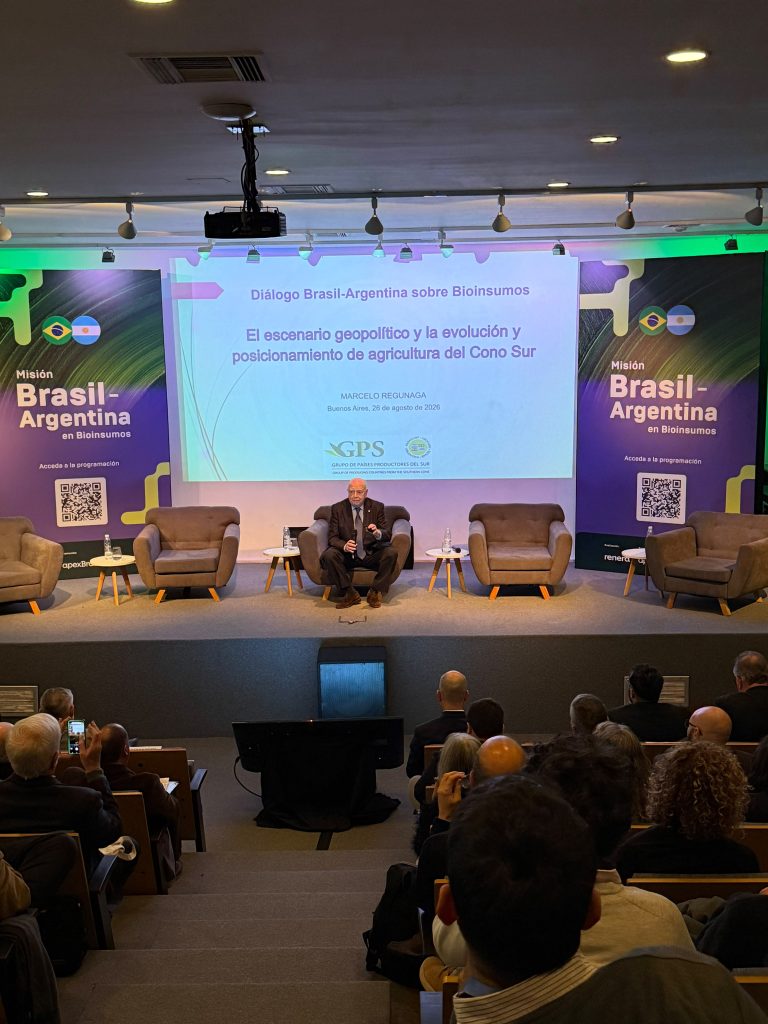
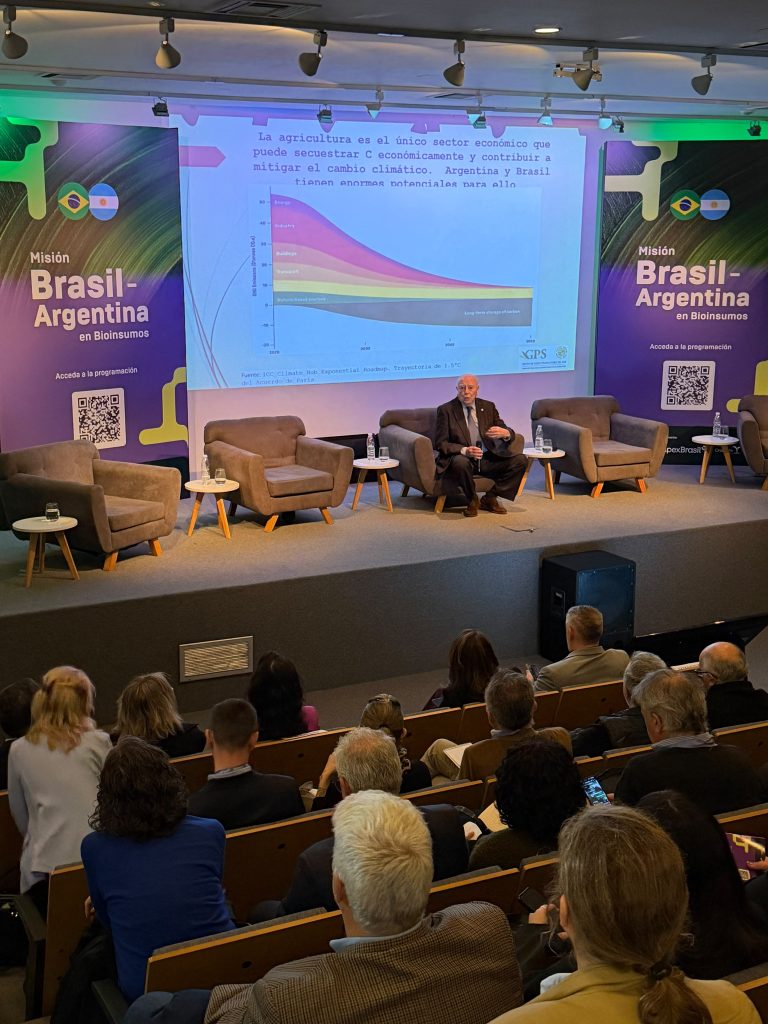
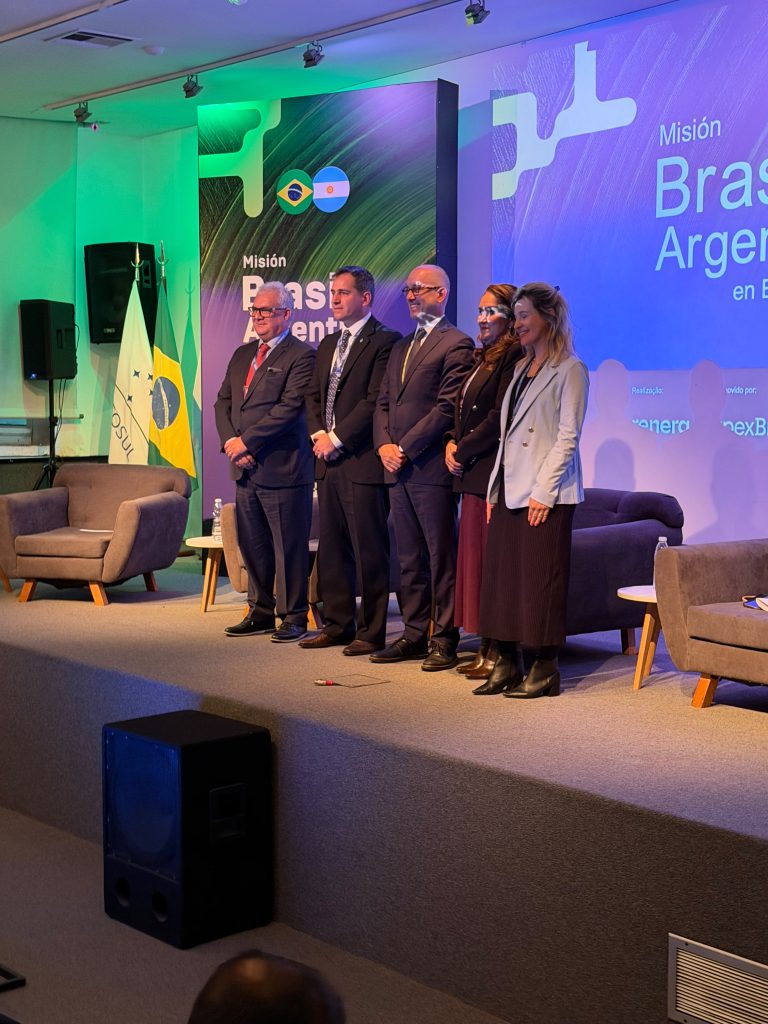
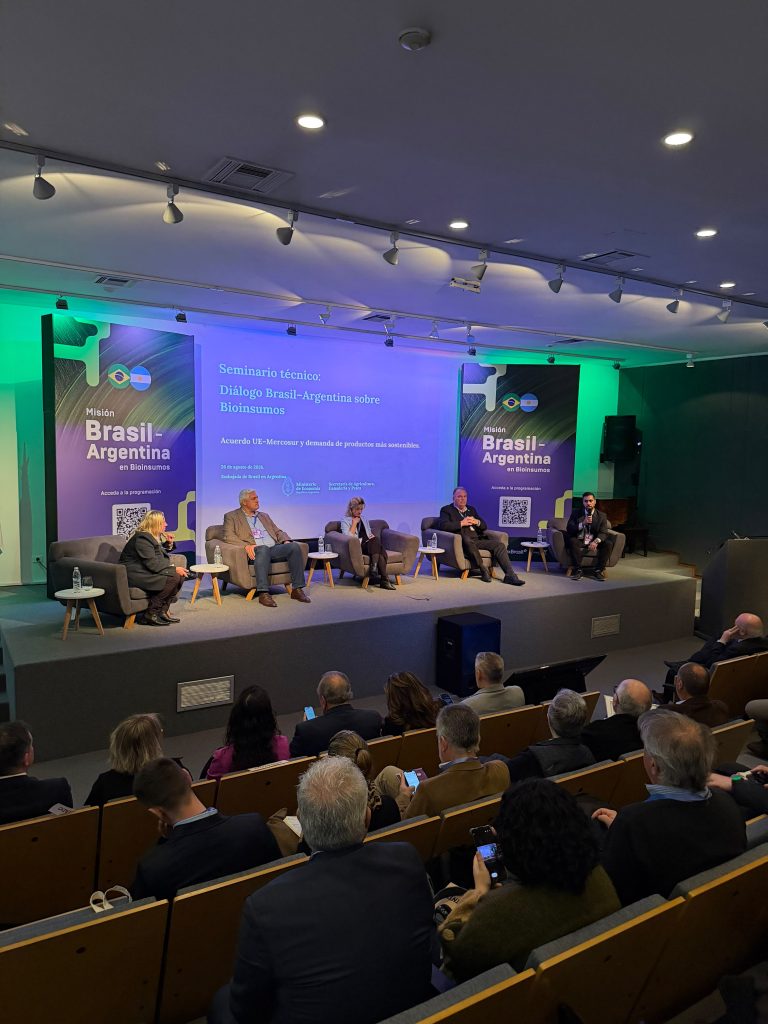
One of the main highlights of the program was the seminar “Brazil–Argentina Dialogue on Bioinputs,” held on Wednesday (26) at the Embassy of Brazil in Buenos Aires. The meeting was attended by more than 100 people, including representatives of the Argentine government, business leaders, researchers, experts, sector organizations, and institutions from both countries.
“Brazil and Argentina have scientific knowledge, production capacity, agricultural experience, and institutions that can jointly contribute to the development of this agenda. We want to turn this dialogue into concrete cooperation in science, regulation, quality, innovation, and markets, connecting research, public policies, and production needs,” said Amália Borsari, Bioinputs Director at CropLife Brasil, during the opening of the event.
Throughout the morning, the discussions addressed the development of the bioinputs market, the adoption of technologies by producers, the regulatory environment, innovation, and opportunities to expand bilateral cooperation. The program also enabled the exchange of experiences on the progress made in both countries and the common challenges involved in scaling up these technologies.
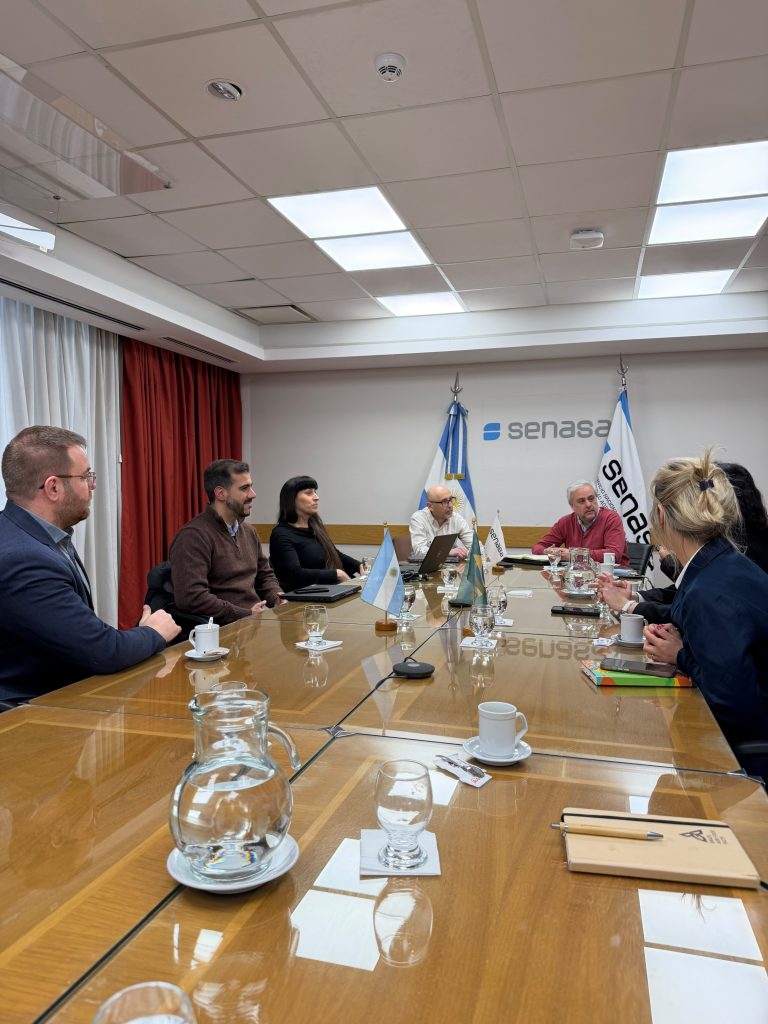
Among the participants was María Giraudo, president of Senasa — Argentina’s National Service for Agri-Food Health and Quality, the agency responsible for animal and plant health matters and for the quality and safety of agri-food products in the country.
During the meeting, Giraudo highlighted the potential of Renera – Brazilian Bioinputs Hub as a platform to bring Brazil and Argentina closer together and to give continuity to the agendas developed during the mission.
In the afternoon, the program moved into its commercial dimension, with a Business Session and a business matchmaking round, bringing Brazilian companies Ekoa and Koppert closer to potential partners, distributors, and representatives in the Argentine market.
The combination of institutional dialogue, technical exchange, and commercial promotion is part of the strategy of Renera – Brazilian Bioinputs Hub, an initiative by CropLife Brasil in partnership with ApexBrasil, to expand the international presence of Brazilian bioinputs and strengthen Brazil’s cooperation with strategic markets.
Technical and institutional agenda
The mission also included a technical visit to the Gorina Experimental Station in La Plata, where the Brazilian delegation learned about research and field experiences related to the use of bioinputs in agricultural production.
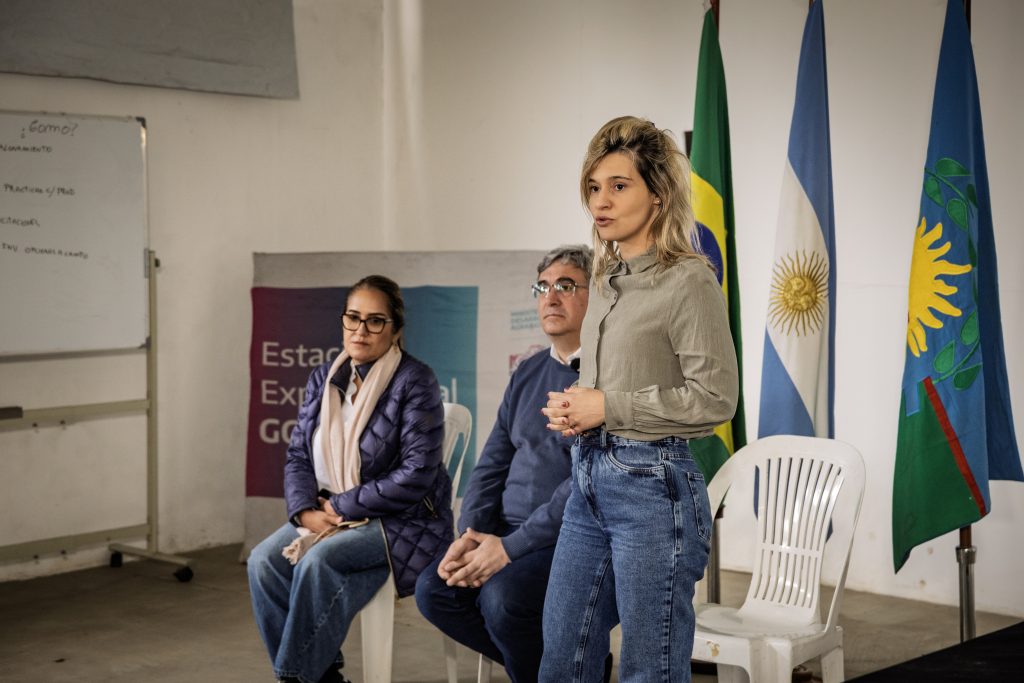
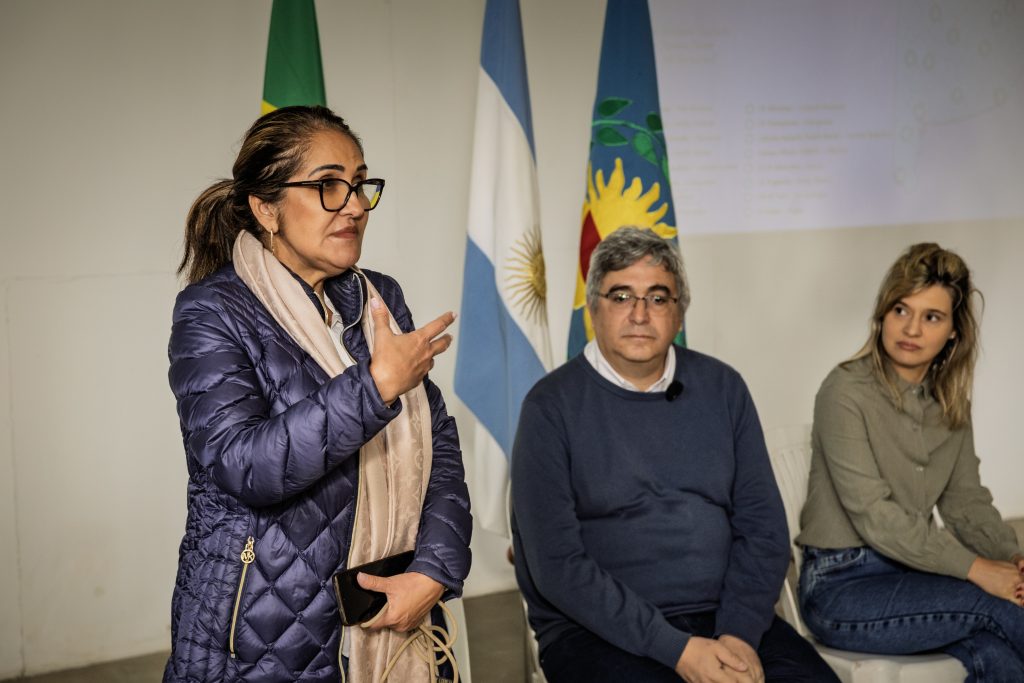
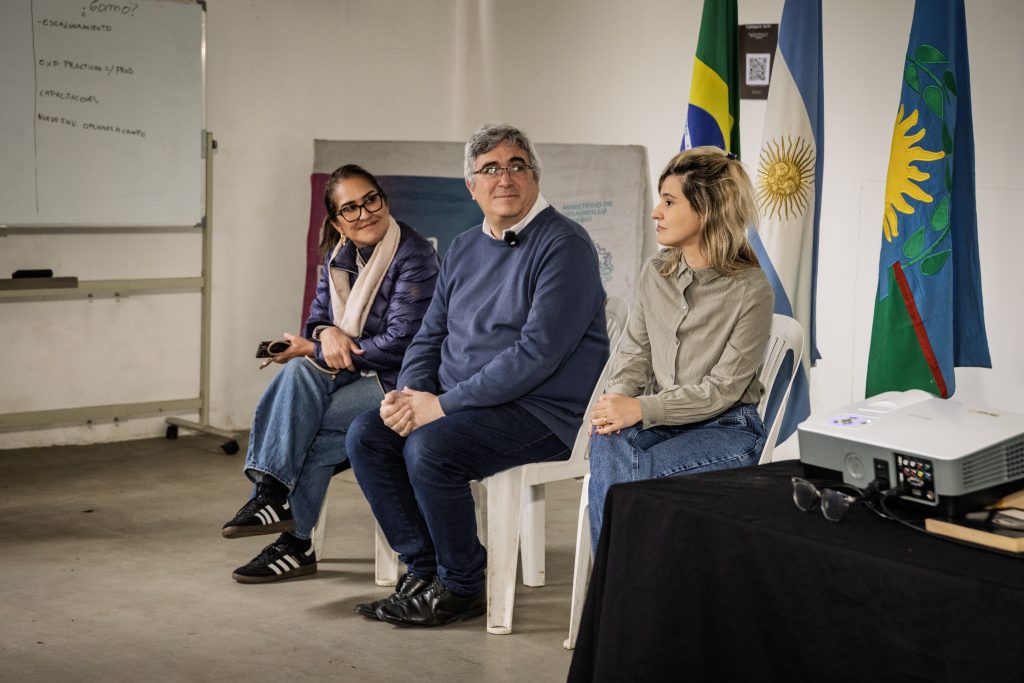
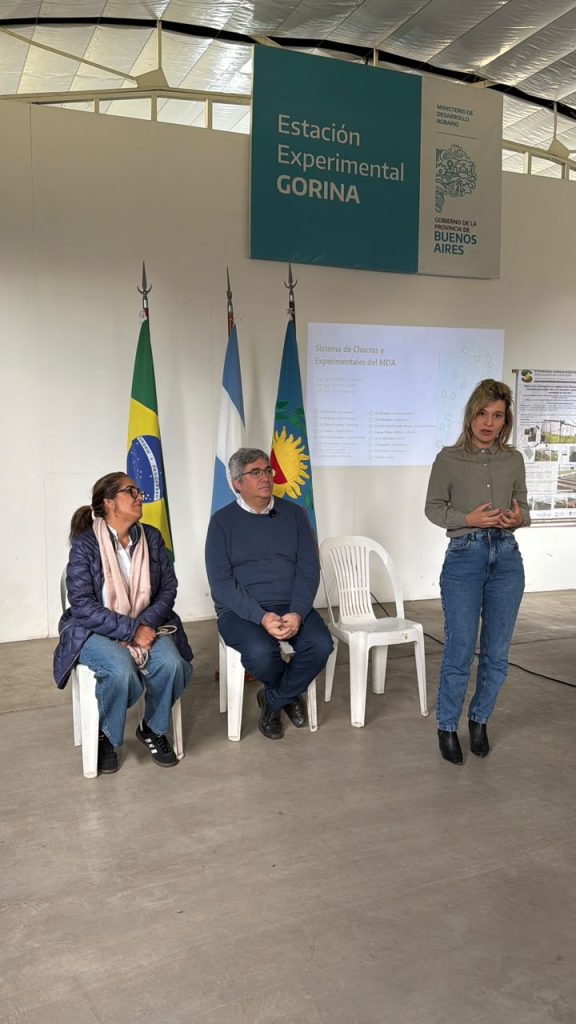
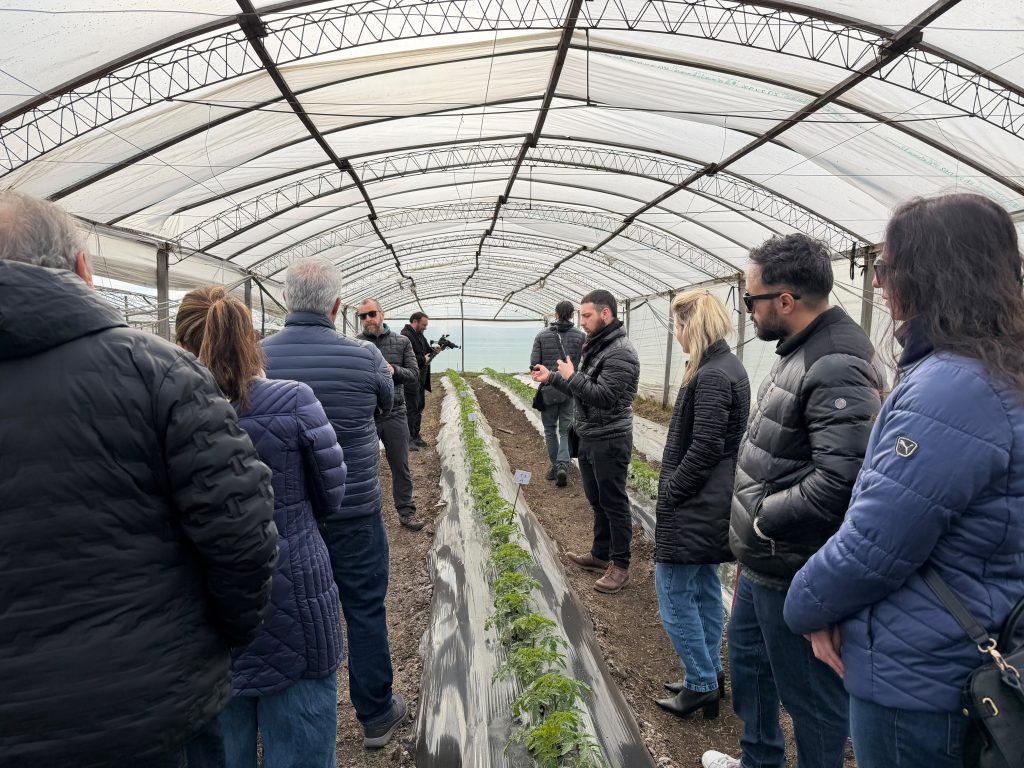
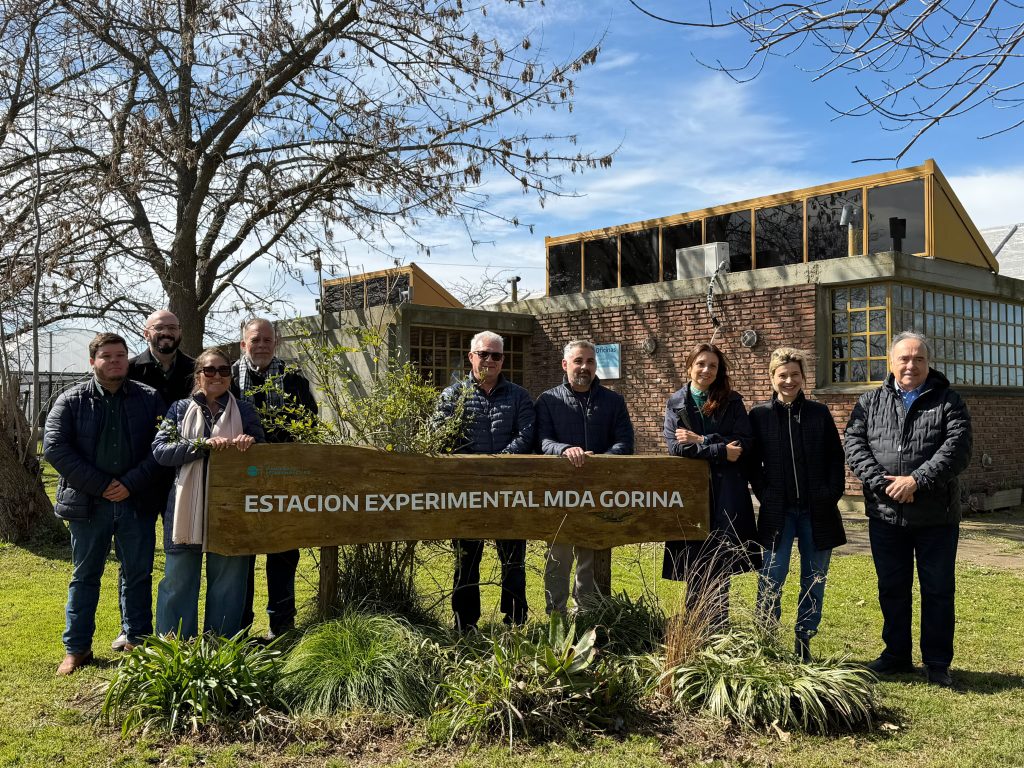
The activity enabled the exchange of information on research, technology validation, producer adoption, and collaboration opportunities between Brazilian and Argentine institutions.
According to Alberto Bicca of ApexBrasil, the combination of technical dialogue, institutional coordination, and commercial promotion is one of the initiative’s distinguishing features.
“Renera shows how commercial promotion can advance alongside technical and institutional cooperation. We are presenting to the international market not only companies and products, but also the experience Brazil has been building over decades in bioinputs.”
For Renata Meliga, manager of the Renera project, the program was structured to connect the different dimensions needed for the sector’s internationalization.
“The mission’s proposal is to connect all ends: institutional dialogue, technical knowledge, field experience, and commercial opportunities. This combination makes it possible to turn the exchange of experiences into concrete cooperation agendas and new opportunities for Brazilian companies.”
Business perspective
The participation of Brazilian companies also helped broaden understanding of the Argentine market and identify possibilities for partnerships and commercial development.
“For a company working with innovation in bioinputs, understanding the reality of producers and how these technologies are researched, evaluated, and used in other markets is essential. Argentina is a strategic market, and this rapprochement allows us to identify partnership opportunities while also understanding how our solutions can contribute to local challenges,” said Mauro Heringer, Director of Institutional and Government Relations at Ekoa.
Brazilian delegation
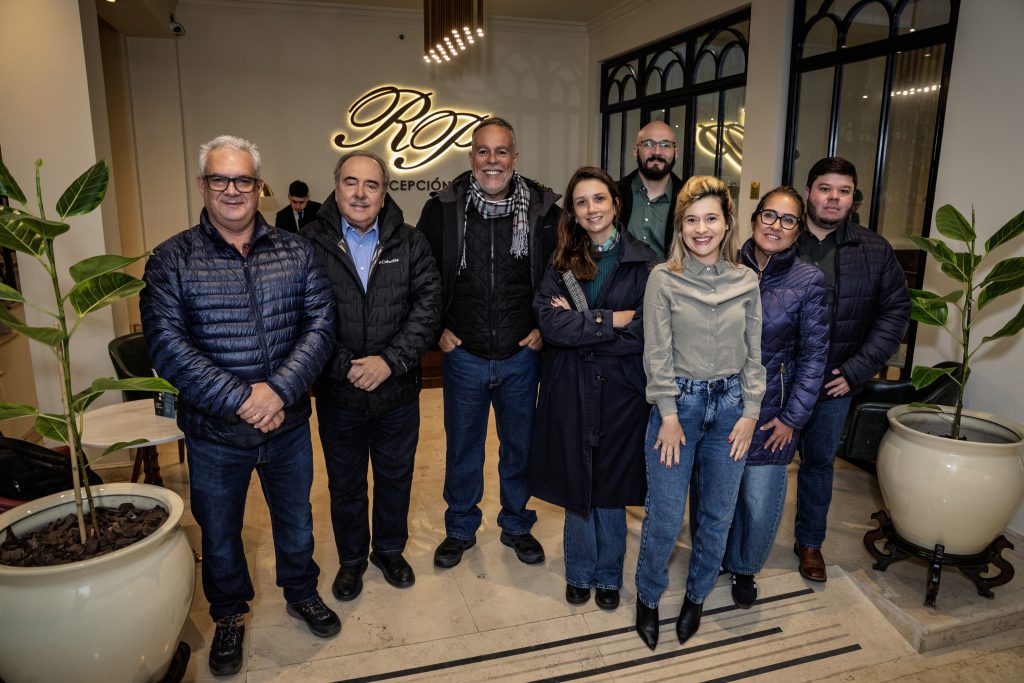
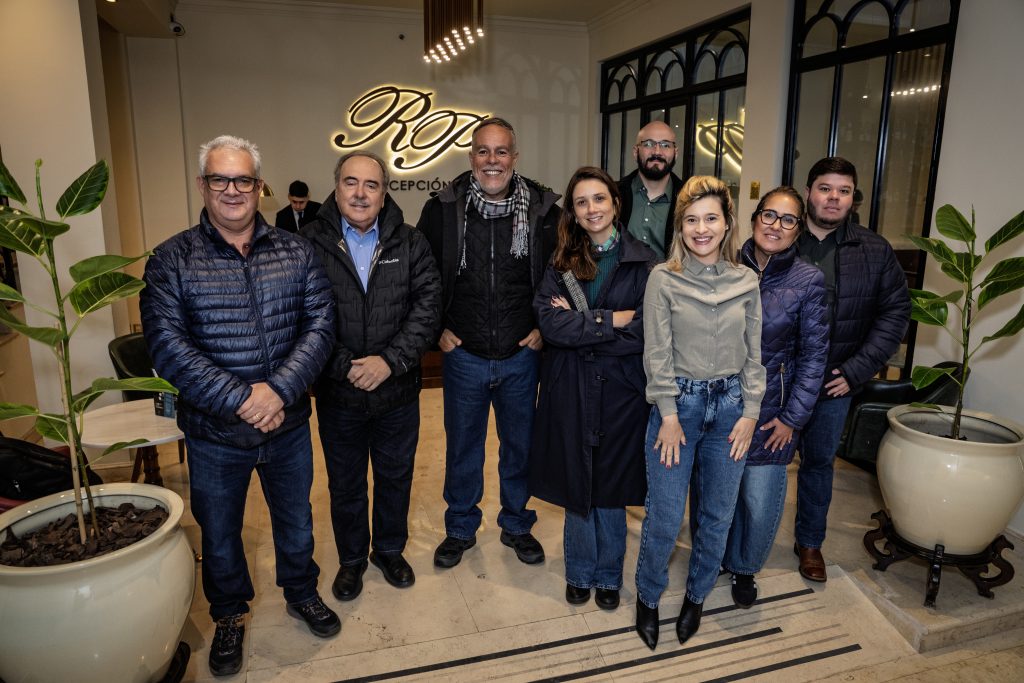
Representatives of Renera – Brazilian Bioinputs Hub, CropLife Brasil, ApexBrasil, the Ministry of Agriculture and Livestock, Esalq/USP, as well as the companies Ekoa and Koppert, took part in the Brazilian mission.
The agenda also brought together authorities and representatives of Argentine government bodies, research institutions and universities, productive sector organizations, companies, experts, and organizations connected to agriculture and bioinputs, consolidating a new channel of dialogue between the ecosystems of both countries.